The Walter Brown Award
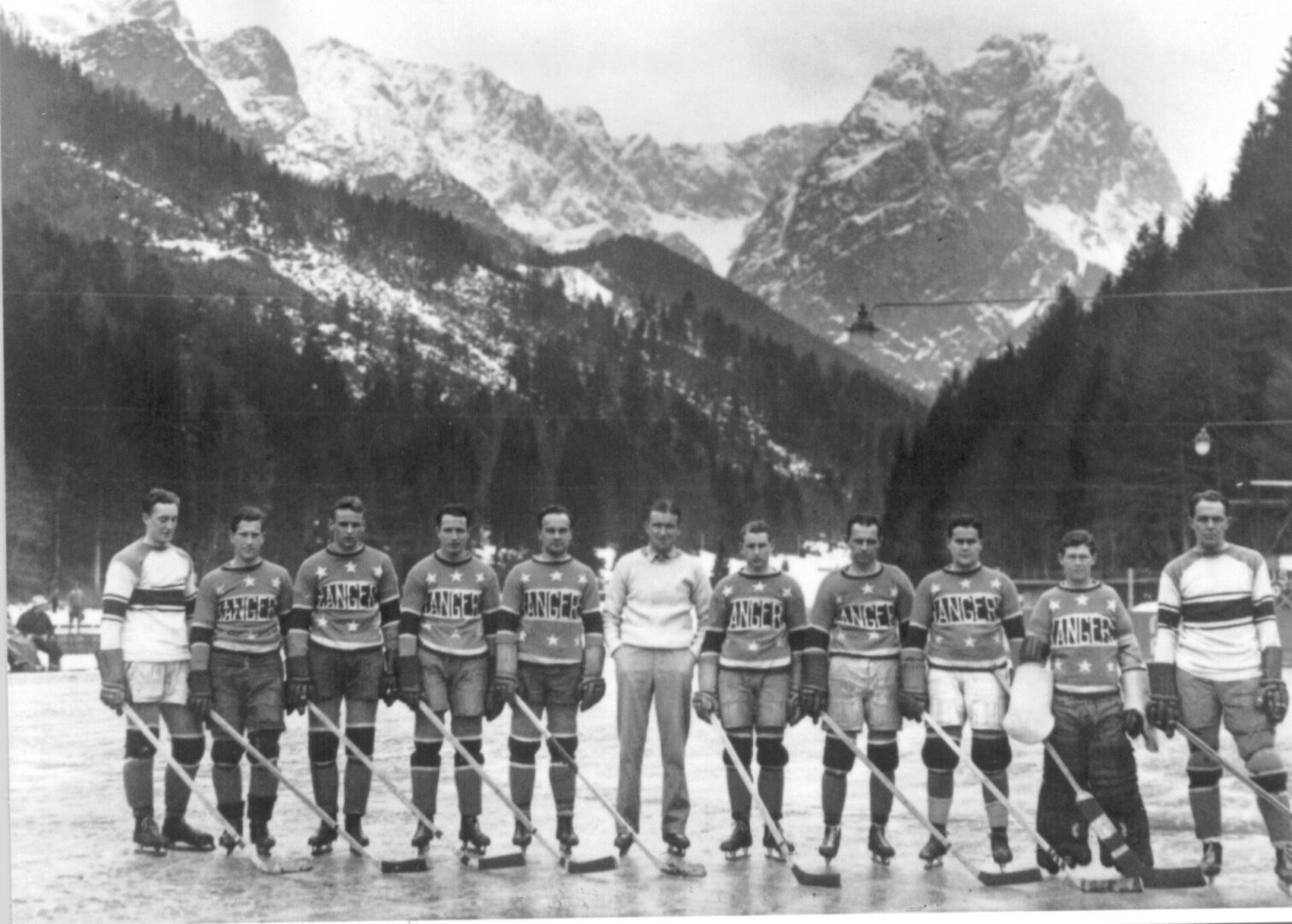
Commemorating the life and works of America's greatest sportsman, the Walter Brown Award is given annually to the outstanding American-born college hockey player in New England. The Walter Brown Award is the oldest nationally recognized honor accorded to individual players in the sport of American college hockey. Brown coached the United States to its first world hockey championship in 1933. The U.S. team, the Massachusetts Rangers, comprised players from Boston College, Boston University, Harvard, Yale, Dartmouth, Notre Dame, and Boston Commerce High School. The Americans defeated the Toronto National Sea Fleas, coached by Harold Ballard, 2-1 in overtime in the final game of the 1933 World Tournament at Prague, Czechoslovakia. It was also America’s first win over a team from Canada and the first loss ever suffered by the Canadians in international play. The U.S. team members established the Walter Brown Award at their 20th reunion in 1953. Criteria for the selection committee include leadership, character, sportsmanship, and ability as well as on-ice achievement. The Gridiron Club of New England has been the steward of the Walter Brown Award since 1977.
Award Recipients
Explore the history of the Walter Brown Award through the outstanding student-athletes who have earned this distinguished honor. Their achievements continue to inspire future generations of football players throughout New England
Harvard

Boston University


Providence

Harvard

Boston College

Boston College

Maine
Harvard

Boston College

Boston College
Providence

Boston University
Boston University
Boston University
Boston University
Boston University
Boston University
Boston College

Providence

Boston College
New Hampshire

Boston College

Northeastern
New Hampshire

New Hampshire

Harvard

Boston College

Boston University
New Hampshire